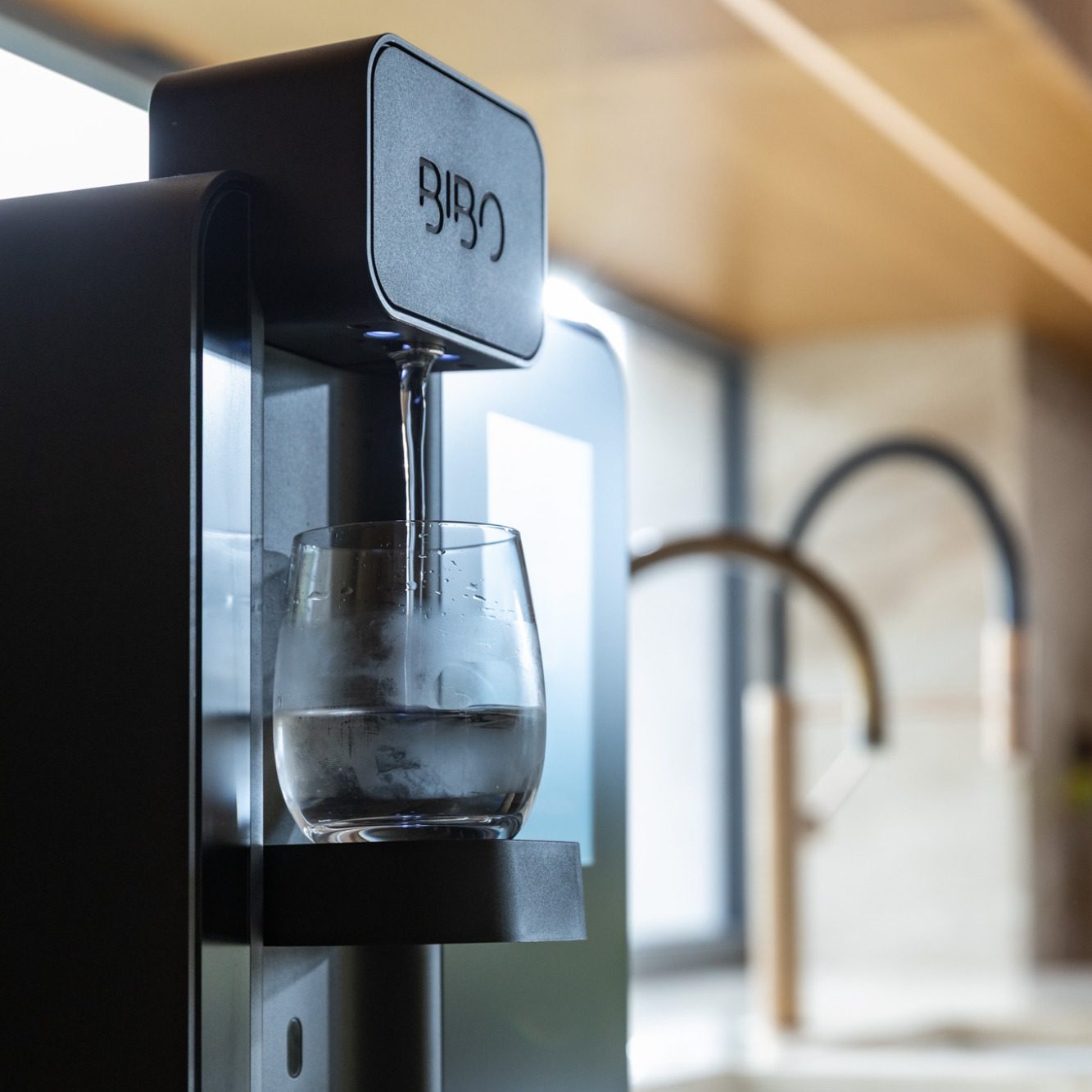
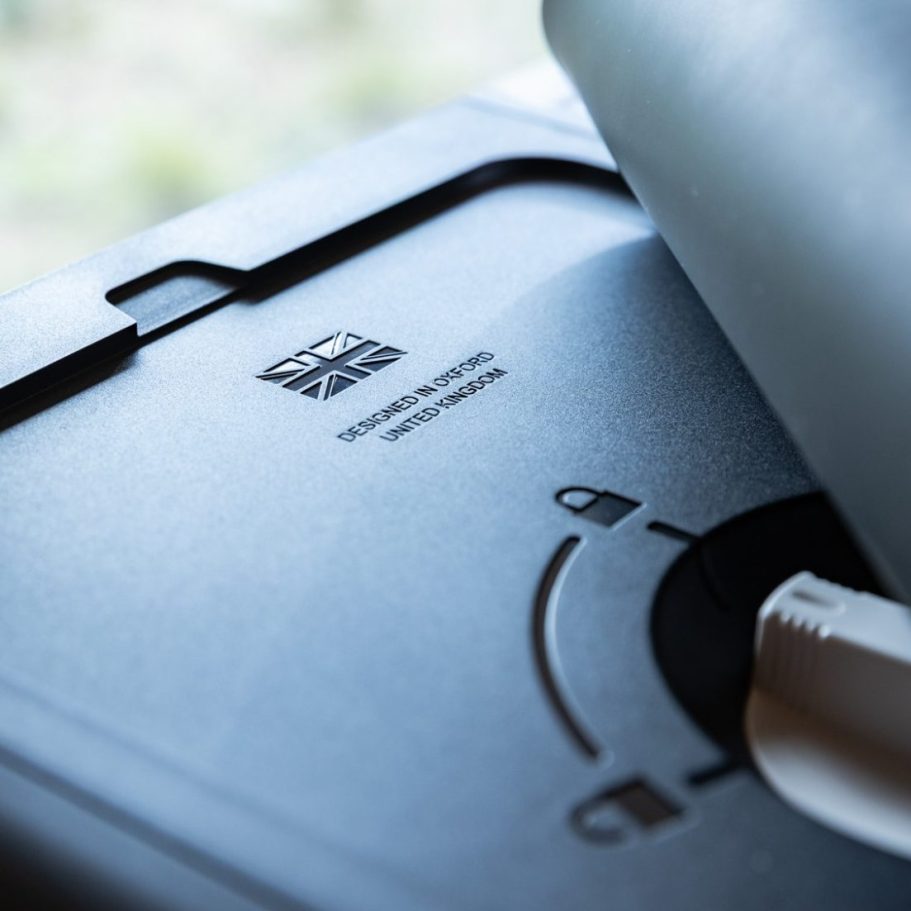
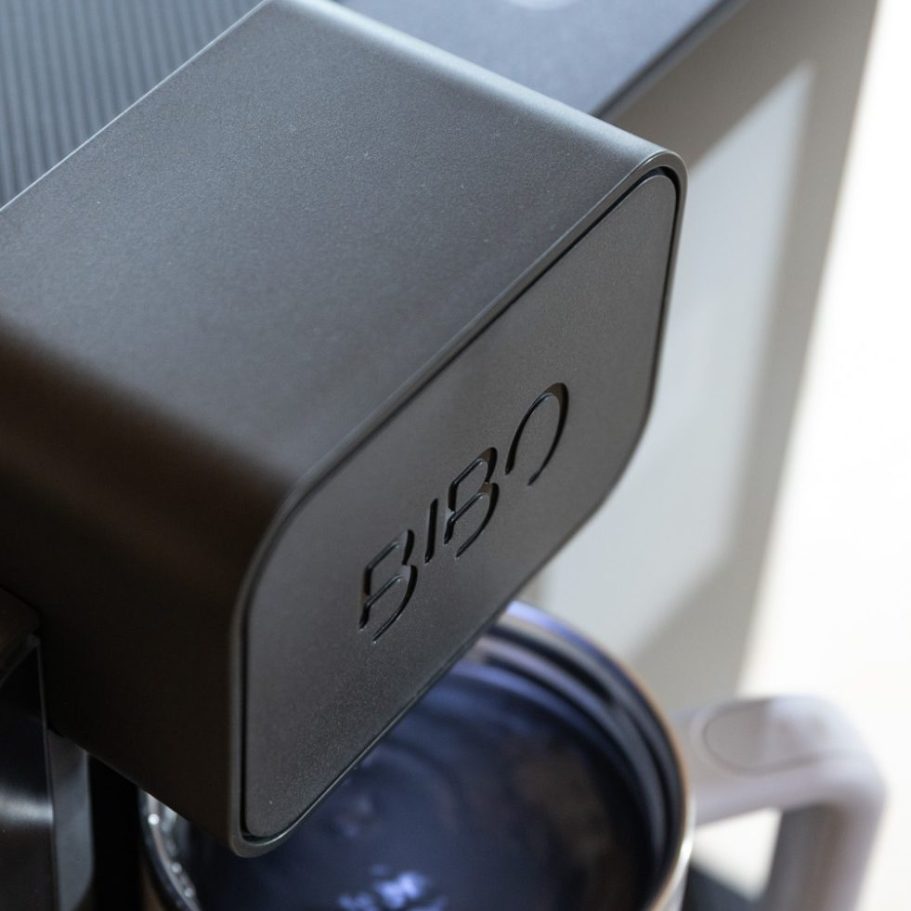
Bibo Water approached the project looking to evolve an already successful water dispenser. The challenge was to modernise its countertop presence while enhancing performance, improving energy efficiency, and making the product easier to repair and maintain.
Research & Feasibility
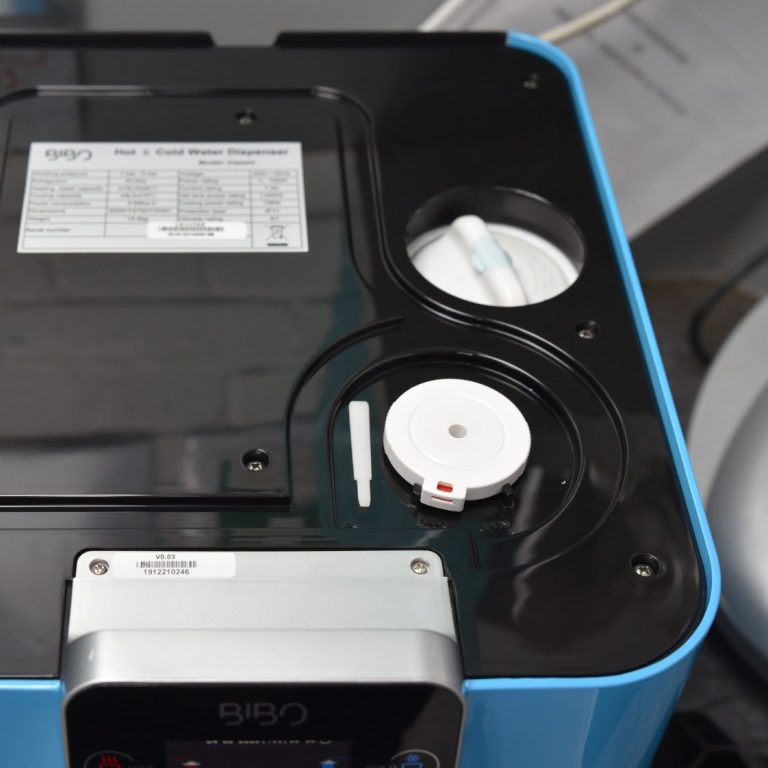
As with any redesign project, the process began with a thorough evaluation of Bibo’s existing device. This involved identifying key issues, performance limitations, and areas where the design could be improved. Valuable insights were gathered from customer testimonials, alongside feedback accumulated through years of manufacturing experience and technical problem-solving on the previous model.
In parallel, the wider market was analysed to better understand the competitive landscape. This included reviewing competing products, assessing emerging design trends, and exploring new electronic technologies that could be integrated to help future-proof the product.
Concept Design
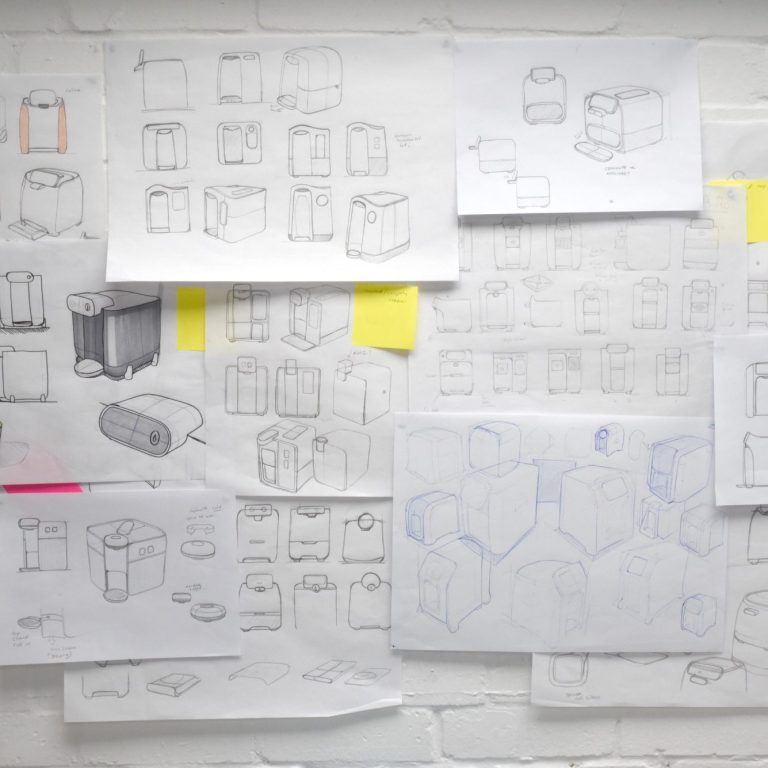
The predecessor to the Bibo Nova, the Bibo Classic, had already demonstrated that the core technology was successful. However, the product required refinement and development to meet increasing customer expectations. As a result, the aesthetic design of the Bibo Nova became a key factor in ensuring the product remained relevant within an evolving market.
Numerous design concepts were developed and reviewed through an iterative and evaluative process. Each proposal considered factors such as user interaction, mechanical feasibility, technological integration, and overall countertop presence. The final design selected for development emerged from this combination of considerations, ultimately contributing to the product’s success.
Detailed Design
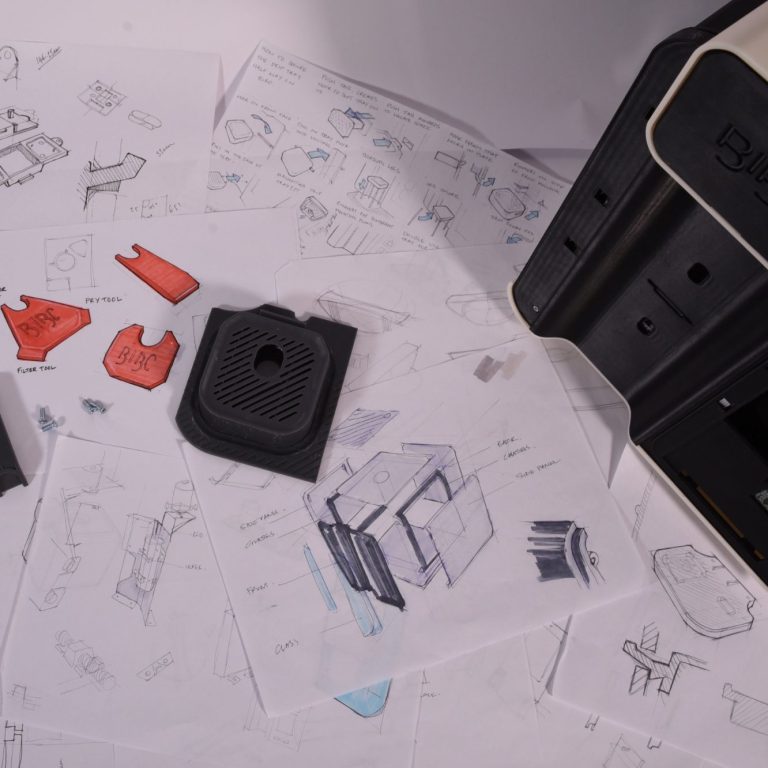
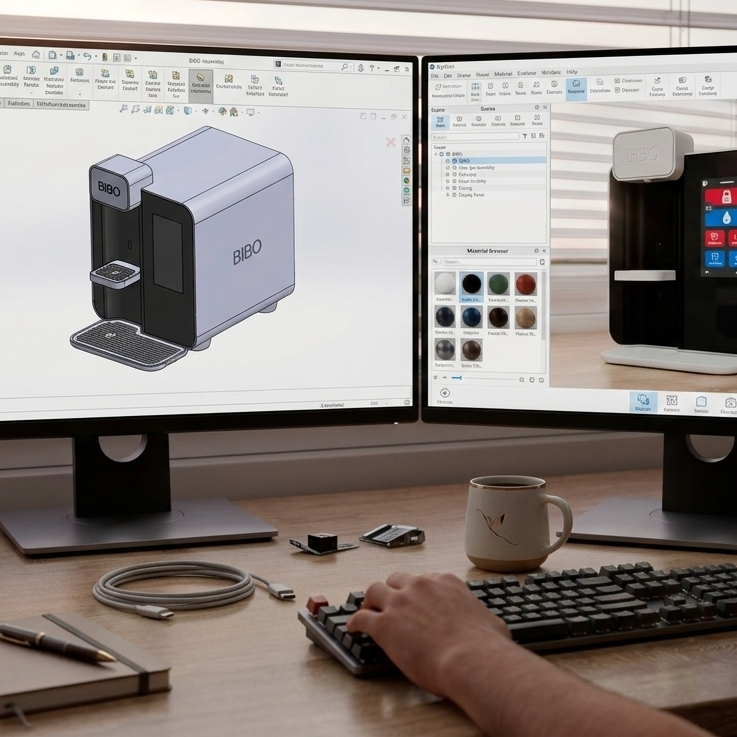
With an established design direction, the Bibo Nova project moved into the detailed design, where the visually compelling concept began to be translated into a feasible product. Once the base form was defined in CAD, scale, proportion, and perspective could be assessed through early-stage low-fi modelling and development.
As is common at this stage of the process, the design continued to evolve. The introduction of detailed features—such as user interaction points, functional requirements and even split lines provided invaluable insight and helped develop the product, even in these early stages of refinement.
Development & Prototyping
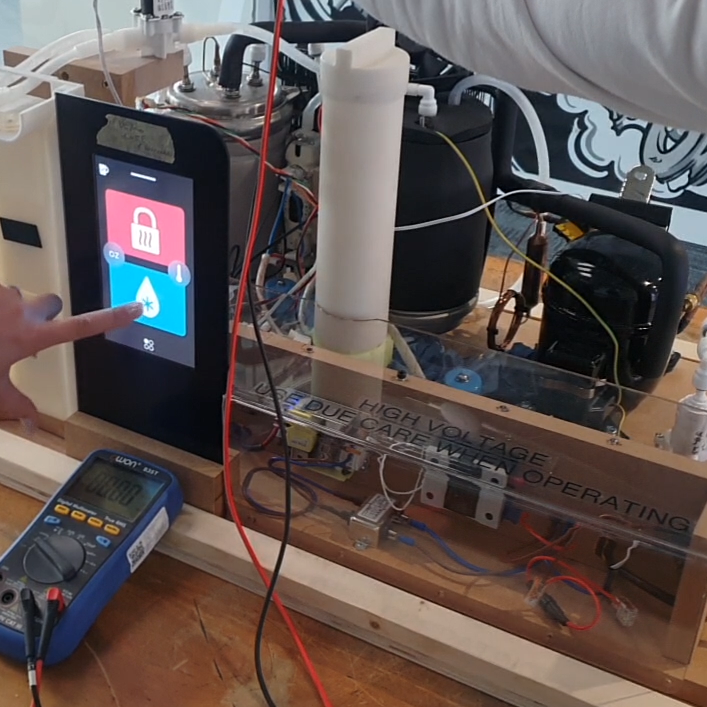
Bibo’s mission is to provide instant, temperature-controlled water within a compact and efficient appliance. Ensuring this objective was achieved required careful attention to the technical complexities within the device. Drawing on the expertise of Bibo Water’s engineering team, the design was rigorously evaluated to ensure both performance and efficiency.
Detailed analysis was carried out across key technical areas, including fluid dynamics, thermal management, and power control within the heating and cooling systems. Particular consideration was given to managing high-temperature and high-velocity water pathways, ensuring the internal components were designed to operate safely, efficiently, and reliably.
Mechanical Design & Engineering
The Bibo Classic faced challenges due to a complex assembly process and the limited accessibility of small internal components. As a result, the design team approached the Bibo Nova from the ground up, redesigning the chassis, reconfiguring the component layout, updating the circuit boards, and developing the glamour panels to securely house and protect the internal systems.
Using SolidWorks, the design focused on manufacturability, emphasing simple production methods, minimal tooling complexity, and reduced side actions. Wherever possible, parts were designed as non-handed components, allowing the same part to be used on both sides of the assembly, which simplified inventory management and reduced tooling requirements.
Alpha Prototyping
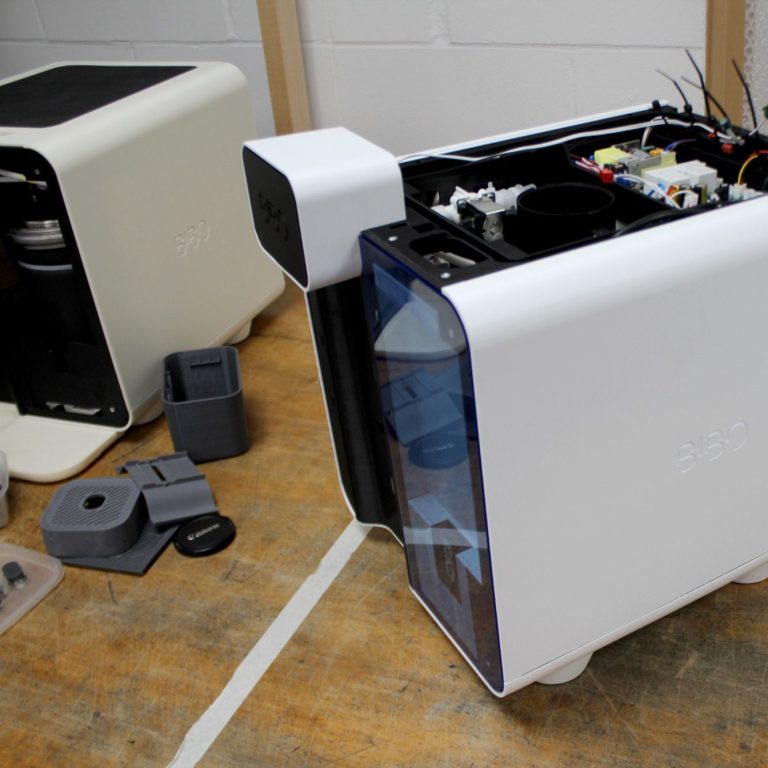
The complexity of the Bibo Nova required multiple rounds of prototyping to validate design decisions. This iterative process provided critical insights into component clearances, mechanical integrity, and ease of assembly.
Through these iterations, the design continued to evolve: features were added, refined, or removed, and user workflows were carefully considered. This led to the development of key interaction points, including the drip tray, cup holder, filter removal and replacement system, and the 7-inch touchscreen interface.
User Interface Design
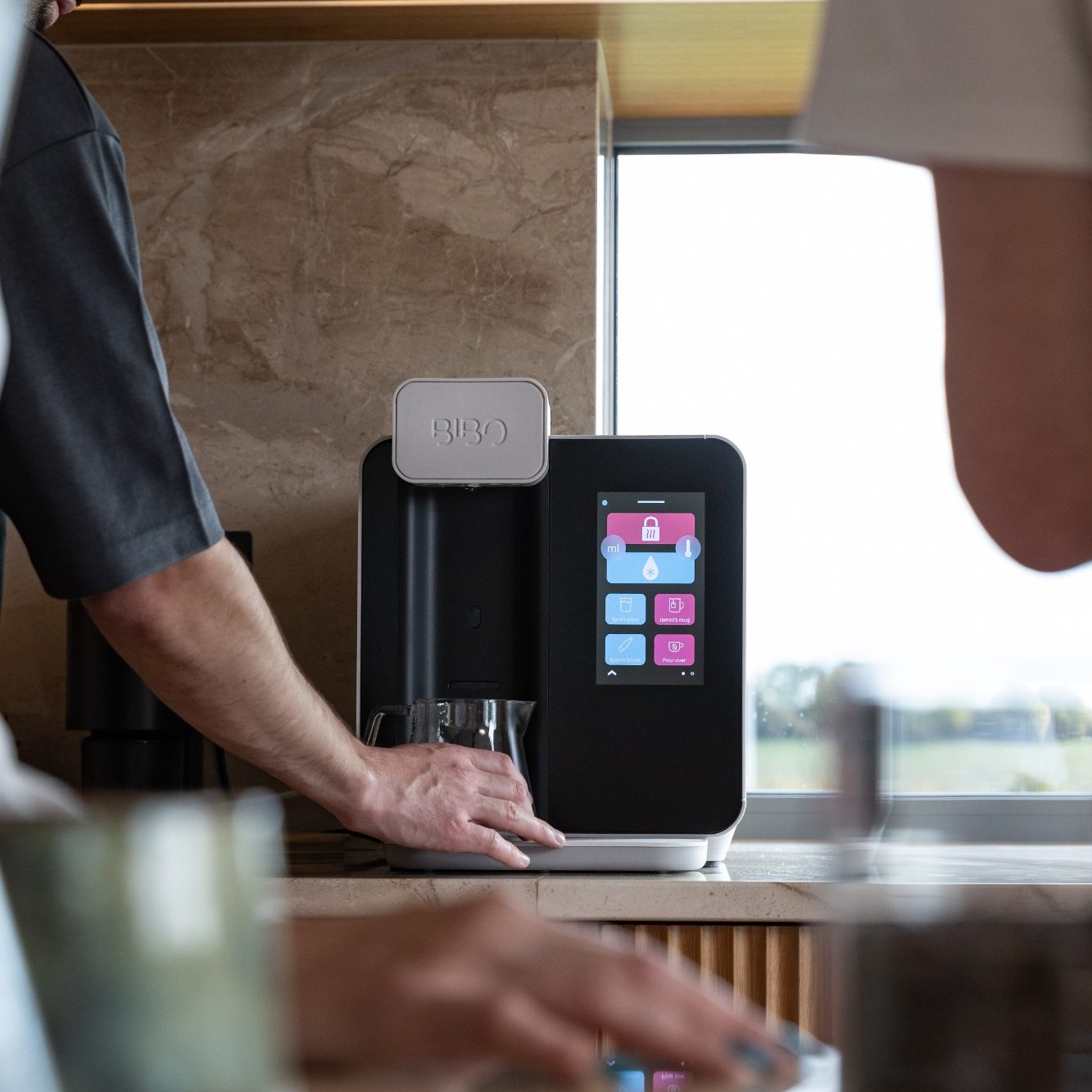
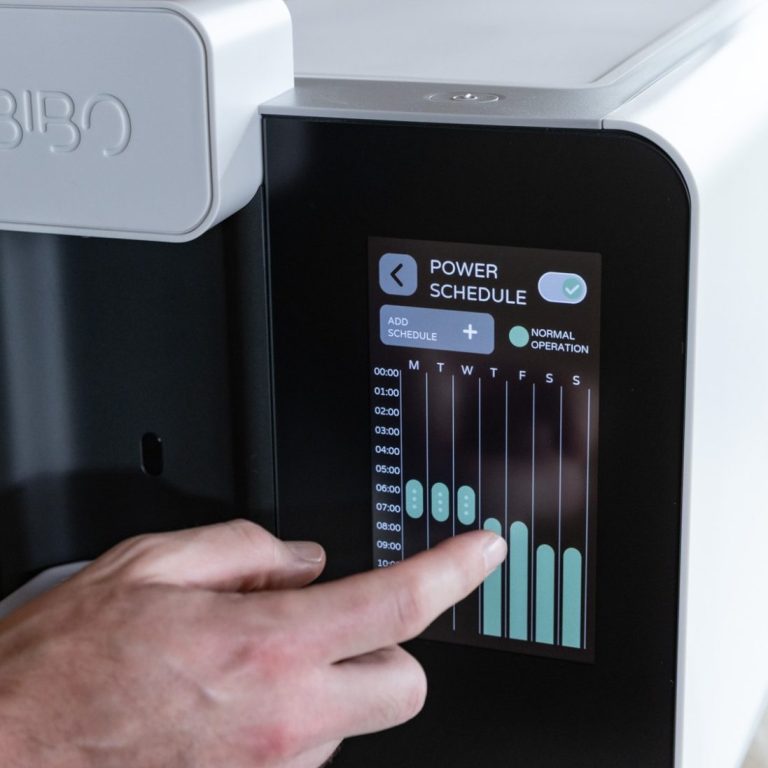
One of the Bibo Nova’s primary USPs is its 7-inch LCD touchscreen, prominently positioned at the front of the device and fully integrated into its overall design.
The GUI was a critical element of the user experience, allowing precise control over volume and temperature down to the millilitre. Beyond functionality, the touchscreen gave the device a distinctive character—something competitors lacked—while enabling users to personalise their experience with custom presets and individual settings.
While the GUI was graphically designed and conceptually frameworked in-house, external specialists were engaged to translate the design vision into a fully functional software implementation within the device.
Colour, Material, Finish (CMF)
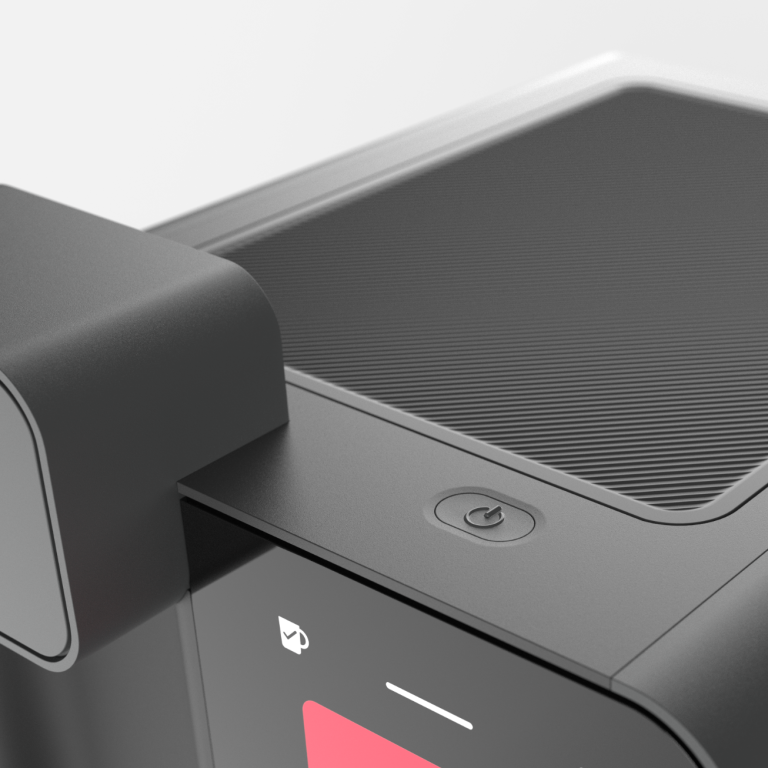
Aesthetic design was one of the primary drivers of the Bibo Nova project, recognising that users expected a premium product on their countertop. Knowledge gained during the discovery phase, combined with 3D CAD models produced in the mechanical design phase, was utilised to evaluate the visual effectiveness of each panel. Digital rendering software, KeyShot, allowed the team to explore colours, textures, and liveries, helping to refine the overall appearance before entering production.
Although material selection was primarily driven by mechanical properties, integrating engineering understanding with visual exploration ensured that aesthetic elements could be manufactured efficiently. This approach resulted in a product that was both visually compelling and technically robust, delivering a premium finish.
DFM & Production Support
Following the success of prototyping and testing, a production pathway was established to bring the Bibo Nova into full-scale manufacturing. This included refining components to incorporate features that facilitated efficient tooling and assembly.
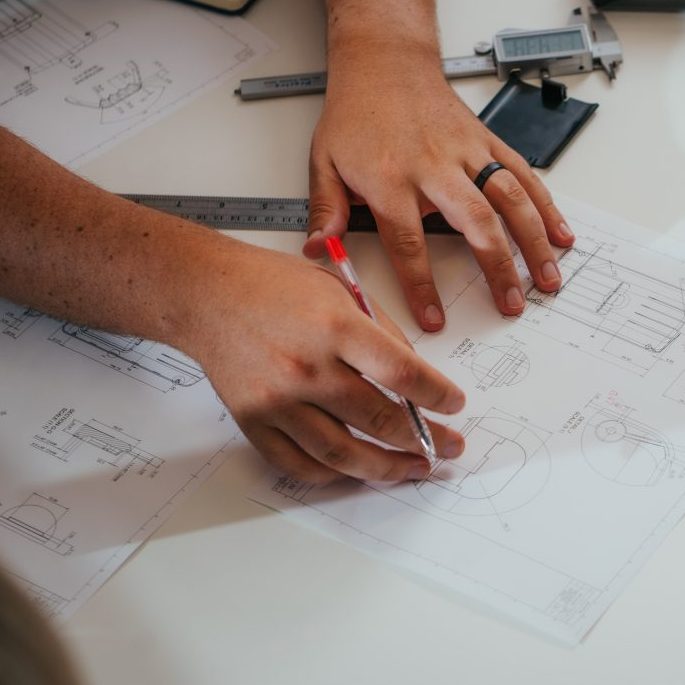
With an assembly package comprising large structural parts, glamour panels, and intricate fluidic components, this stage, supported by detailed engineering drawings, enabled a successful collaboration with Bibo Water’s primary supplier and ensured a smooth transition to production.
Packaging
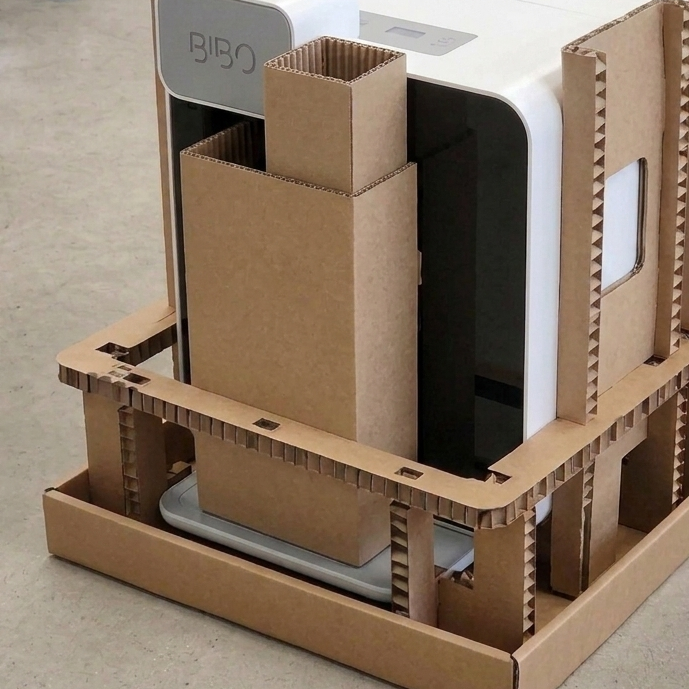
A premium product demands a premium unboxing experience, and the Bibo Nova was no exception. Early research highlighted that users struggled to lift the Bibo Classic out of its packaging due to its weight and shape.
While mechanical adaptations were introduced to make the device easier to handle, the packaging itself was a critical part of the user experience. Multiple packaging solutions were designed, developed, and prototyped to ensure the device could be lifted safely and easily, protect the fragile glass front, and securely store all accessories during transit.
The final solution significantly improved sustainability: it used only 5% of the plastic compared to its predecessor, with the primary material being cardboard, fully recyclable by the user. This approach combined user-friendliness with an environmentally responsible design.
All work shown on this page was undertaken whilst under the contractual employment of Bibo Water Ltd & Designworks Windsor. All work shown, at the time of release on this portfolio website, had been launched and was within the public domain. The work is shown for personal portfolio presentation purposes only and must not be shared by any third parties. All opinions expressed are by the owner of the website and do not necessarily reflect those of Bibo Water Ltd and/or Designworks Windsor.